
Rental Agreements in Turkey: Deposit, Rent Increase and Eviction Rules
04 November 2026
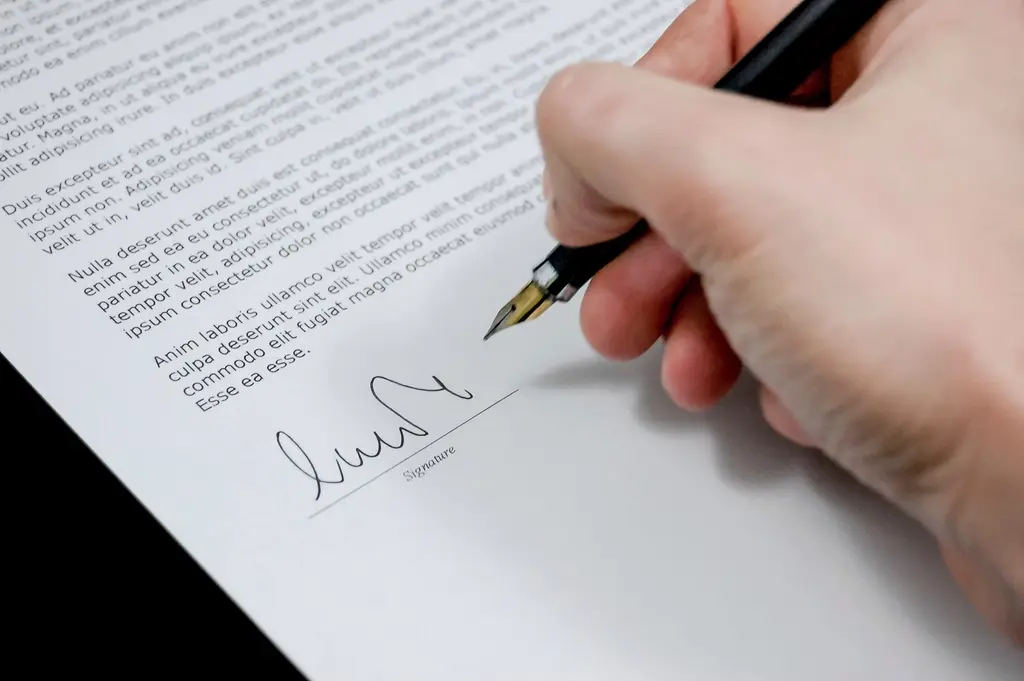
Most problems in long-term lets stem from the steps taken when the agreement is signed. A deposit left vague, a miscalculated rent increase or an invalid undertaking to vacate can turn into a dispute years later. In this guide we summarise the basic rules of the Turkish Code of Obligations (TBK) from the point of view of both landlord and tenant.
What should a rental agreement include?
A rental agreement can also be made verbally. However, putting it in writing benefits both parties, for evidence and tax purposes. The agreement should include at least the following:
- The parties' identity and contact details and their addresses for official notices,
- The property's address, title deed details and its condition at handover (a handover report with photos is recommended),
- The rent, the payment date and the payment method. Paying through a bank makes proof easier.
- The term of the agreement and the increase rule to be applied in renewal periods,
- The amount of the deposit and how it will be held,
- Who is responsible for costs such as building fees (aidat), heating fuel, water and electricity,
- An inventory (for furnished lets) and usage rules such as pets and subletting.
For leases of residences and roofed commercial premises, the law sets certain mandatory limits that protect the tenant. For example, no changes may be made to rental agreements to the tenant's detriment, other than in setting the rent. The tenant may not sublet the home or transfer the right of use to someone else without the landlord's written consent. If the let is arranged through a real estate agency, a separate brokerage agreement for the rental is drawn up between the parties and the agency. This agreement also states the rent and the annual increase rate. Under the regulation, the service fee for a rental may not exceed one month's rent, excluding VAT.
Deposit: three months' rent cap and a time deposit account
Under Article 342 of the TBK, the security (deposit) taken from the tenant for leases of residences and roofed commercial premises may not exceed three months' rent. The law also regulates how the deposit is to be held:
- If the security is money, the tenant deposits it in a time deposit savings account at a bank, which cannot be withdrawn without the landlord's consent. If it is in the form of negotiable instruments, they are deposited with a bank.
- The bank may return the security only with the consent of both parties, on the basis of a finalised enforcement proceeding, or on the basis of a final court decision.
- If, within three months of the end of the agreement, the landlord does not notify the bank in writing that they have filed a lawsuit or started enforcement proceedings against the tenant, the bank returns the security at the tenant's request.
In practice, the deposit is often handed over in person. In that case, at the very least write the amount, the method of payment and the conditions for its return into the agreement.
Rent increases: the twelve-month average of CPI
Under Article 344 of the TBK, the increase applied in renewed rental periods may not exceed the rate of change in the consumer price index (TÜFE) based on twelve-month averages over the previous rental year. This rate changes every month according to data from the Turkish Statistical Institute (TÜİK). Check the rate that applies to the month in which your agreement renews against the data published by TÜİK. If the agreement states a lower rate, that rate applies.
The temporary 25 per cent cap applied to residential rents in the 2022–2024 period ended on 1 July 2024. The current text of the law contains no new temporary cap. Today, only the rule based on the twelve-month average of CPI applies to increases.
Five-year rule: In agreements lasting longer than five years or renewed after five years, and at the end of every subsequent five-year period, the new rent may be set by a judge in a rent determination lawsuit filed by either party. In doing so, the judge takes into account, on an equitable basis, the change in CPI, the condition of the property and comparable rents. Since 1 September 2023, applying to a mediator before filing a lawsuit has been a precondition for bringing a case in rental disputes, including rent determination.
Term of the agreement, the ten-year rule and grounds for eviction
For leases of residences and roofed commercial premises, if the tenant does not give notice at least fifteen days before the end of a fixed-term agreement, the agreement is deemed extended by one year on the same terms. The landlord cannot end the agreement simply on the grounds that the term has expired. However, at the end of the ten-year extension period, the landlord may end the agreement without giving a reason by giving notice at least three months before the end of each subsequent extension year.
Apart from these periods, the main grounds for eviction set out in the law are:
- Need: The landlord needs the property as a home or workplace for themselves, their spouse, descendants, ascendants or persons they are obliged to support (TBK Art. 350).
- Reconstruction or major renovation: Use of the property being impossible during the works.
- New owner's need: A person who later buys the home may notify the tenant in writing within one month of acquisition and file a lawsuit six months later. Alternatively, they may file a lawsuit within one month of the end of the agreement term (TBK Art. 351).
- Two justified warnings: Two justified written warnings being issued within the same rental year for non-payment of rent (TBK Art. 352).
- Tenant owns a home in the same district: The tenant or their spouse living with them owns a habitable home within the same district or municipal boundaries, and the landlord did not know this when the agreement was made.
A landlord who obtains an eviction on the grounds of need or reconstruction may not, without a justified reason, let the property to anyone other than the former tenant before three years have passed. These provisions on ending the agreement through a lawsuit cannot be changed to the tenant's detriment.
Undertaking to vacate
If the tenant has undertaken in writing to vacate the home on a specific date and does not do so, the landlord may end the agreement by applying for enforcement or filing a lawsuit within one month of that date. The critical point is this: the law requires the undertaking (tahliye taahhütnamesi) to be given after the property has been handed over. Undated or post-dated undertakings signed at the same time as the agreement are frequently disputed in court practice. Get support from a lawyer on the date and circumstances in which the undertaking is given.
Sharing building fees and costs
Under the law, unless the agreement provides otherwise or there is a local custom to the contrary, usage costs such as heating, lighting and water are borne by the tenant. In apartment buildings and complexes, the tenant is jointly liable with the unit owner for the owner's share of shared costs and advance payments. However, this liability is limited to the amount of rent the tenant is obliged to pay, and any payment the tenant makes is deducted from the rent owed. Stating clearly in the agreement who will bear investment-type costs, such as renewing the facade, roof or lift, prevents disputes later on.
Declaring rental income
A certain amount of residential rental income is exempt from income tax. Under General Communiqué on Income Tax Serial No. 332, the exemption amount for residential rental income earned in the 2026 calendar year is TRY 58,000. This amount is annual and is applied once to the total income earned from one or more residences. Those who file a tax return because of commercial, agricultural or professional income, or whose total income exceeds the limit in the law, cannot benefit from the exemption. Rental income from commercial premises is not covered by this exemption. Rental income earned in 2026 is declared in March 2027. The tax is paid in two instalments, in March and July.
Checklist
For landlords: Assess the tenant's identity and ability to pay. Prepare a handover report. Take the deposit in line with the law. Write the increase rule into the agreement. Declare your rental income on time.
For tenants: Check the title deed record to confirm that the landlord is the owner or is authorised. Photograph any existing damage in the home. Make payments through a bank. Before signing an undertaking to vacate, find out what it means for you.
Frequently asked questions
Can the landlord raise the rent by as much as they like?
No. In a renewed period, the increase may not exceed the change in the twelve-month average of CPI over the previous rental year. At the end of each five-year period, however, the rent may be reset by the court on an equitable basis.
Can a deposit of four months' rent be taken?
For leases of residences and roofed commercial premises, the security may not exceed three months' rent.
My agreement has expired. Can the landlord make me leave?
Not merely because the term has expired. There must be a ground for eviction set out in the law, or the ten-year extension period must have ended.
Does the 25 per cent cap still apply?
No. This temporary cap ended on 1 July 2024. Today, the rule based on the twelve-month average of CPI applies.
To look at long-term rental options, you can browse our portfolio, and to let your property, get in touch with us.
This article is for general information only; confirm current amounts and conditions with the relevant authority or a legal adviser.
Bu konuda bir danışmanla konuşmak ister misiniz?
Sorularınızı yazın; Antalya'daki güncel duruma göre size dönelim.