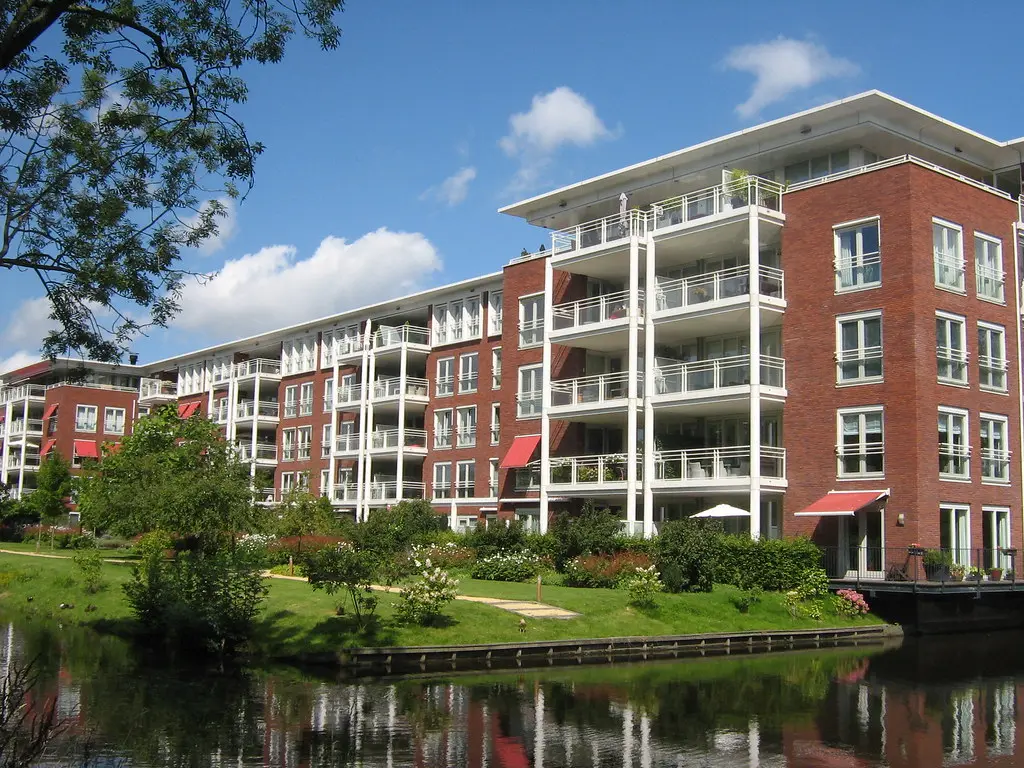
Buying a Home in Antalya: A Step-by-Step Guide to a Safe Purchase
04 November 2026

Photo: Foto Miki Digital, Kamu malı (PDM)
For most people, buying a home is one of the biggest purchases of their life. Many people look for homes in Antalya both to live in and as an investment, so the market is busy. In a busy market, decisions are made in a hurry, and a misleading listing, a missing document or an unsafe payment can lead to serious losses. In this guide we take you through the process of buying a home in Antalya in order, together with the points a buyer should check.
1. Pin down your budget and financing
Your budget is not just the sale price. You also need to account for the title deed fee (tapu harcı), the land registry revolving fund fee (döner sermaye), compulsory earthquake insurance (DASK), the real estate agency service fee if there is one, and moving and utility connection costs. We cover these items in detail in our title deed costs and fees guide.
- If you are taking out a mortgage, talk to your bank before paying a deposit. The bank values the home according to its own appraisal report, and the loan amount may turn out lower than the sale price.
- Whether the paperwork qualifies for a loan: It can be harder to get a loan for homes without kat mülkiyeti (full condominium title), without a building use permit, known as iskân (occupancy permit), or with a shared (hisseli) title. Ask your bank about this in advance.
- Real estate agency service fee: Under the Regulation on Real Estate Trade (Taşınmaz Ticareti Hakkında Yönetmelik), the total service fee in a sale may not exceed four per cent of the sale price, excluding VAT. Unless the contract states otherwise, this fee is split equally between buyer and seller.
2. Choose the area that fits your needs
Antalya's central districts and its coastal districts offer different lifestyles. When choosing an area, these questions matter as much as price:
- How easy is it to get to work, school, hospitals and public transport?
- Is the area just as lively in winter as in summer?
- How much is the monthly maintenance fee (aidat) in the complex, and how are shared costs divided?
- If you plan to let the home later, is there demand from long-term tenants in the area? If you are considering short-term (daily) rentals, remember that these require a separate permit.
- Are any roads, schools or new developments planned nearby? Looking at the municipality's zoning plans will give you an idea.
3. Check that the listing and the agent are authorised
Online property listings are subject to the Ministry of Trade's EİDS (Electronic Listing Verification System). The owner authorises the listing through e-Devlet (Turkish e-government portal), and verified listings carry a label showing this. The system first applied to residential rental listings and was extended at the start of 2026 to cover residential sale listings as well.
- Look for the label on the listing showing that EİDS verification has been completed.
- Ask whether the agency holds a real estate trade authorisation certificate issued by the Ministry of Trade.
- Put the brokerage agreement in writing, and have the service fee and the split of costs written into it.
4. Examine the title deed record
Ask the seller for the current tapu (title deed) record and check the following:
- Owner: Is the seller really the owner? If someone other than the owner is selling, check the original power of attorney and its scope.
- Type of property: Does the record say "mesken" (residence) or "arsa" (building plot)? Is it kat mülkiyeti, kat irtifakı (construction servitude title) or a shared title?
- Annotations and declarations: Entries such as a mortgage, an attachment (haciz), an interim injunction, a family home annotation, a usufruct right or a lease annotation can block the sale or place a burden on the buyer. If there is a mortgage, agree in writing in advance whether it will be paid off from the sale price and how its removal from the register will be handled.
- Property tax: Buildings and land with unpaid property tax cannot be transferred, except in the cases exempted by law. Check with the municipality whether there is any outstanding tax.
5. Check the iskân and compliance with the approved plans
The building use permit (iskân) shows that the building was completed in line with its building licence and approved plans. Under the Zoning Law (İmar Kanunu), buildings without a use permit are not supplied with electricity, water or sewerage until the permit is obtained; the law separately provides for temporary connections in certain situations. A home without iskân can cause problems with mortgages, with obtaining a short-term rental permit and with selling it later on. Review the building file at the municipality and check for additions that deviate from the approved plans, such as enclosed balconies, roof-level floors or basements.
6. Be careful with the deposit and preliminary agreement
Under the Turkish Code of Obligations, a property sale and a promise-to-sell agreement for real estate are not valid unless made in official form. A simple written "preliminary agreement" signed at an estate agency or between yourselves may not protect you with a right to demand the transfer of the title deed. For this reason:
- Check the title deed record, the iskân and your loan situation before paying a deposit (kapora).
- Pay the deposit directly to the owner through a bank, with a payment description, not in cash.
- Set out in writing the circumstances in which the deposit will be refunded.
- If the arrangement will run for a long time, consider having a promise-to-sell agreement drawn up by a notary and annotated on the title deed.
7. The title deed appointment and transfer
The sale application can be made through the Web Tapu system of the General Directorate of Land Registry and Cadastre. After the application, the fee and revolving fund amounts are calculated, the payments are made, and you go to the land registry office to sign at your appointment time. Before the transfer there must be a valid DASK policy for the independent unit; land registry offices cannot carry out these transactions without proof of the policy. Declare the real sale price at the land registry; for the risks of under-declaring, see our title deed costs guide.
8. Pay safely
Carrying large sums in cash is risky both for your safety and for proving payment. Make payments through the banking system, to an account in the seller's name, with a payment description. A provision added to the Regulation on Real Estate Trade in 2026 provides for a payment system that ensures the title transfer and the payment change hands simultaneously in sales where the price is paid in cash, by bank transfer or by EFT. In sales financed with a loan, the system will be used for the payments not covered by the loan. Under the regulation, using this system is not mandatory until 1 December 2026; the Ministry may extend this date. Check the current position with your bank or the land registry office on the date of your transaction.
9. Handover, utilities and afterwards
- At handover, record the meter readings in a signed report and transfer the electricity, water and natural gas accounts to your name. A DASK policy is checked when opening water and electricity accounts.
- Ask the building management for a letter confirming that there is no outstanding aidat or shared-cost debt.
- Land registry offices notify the municipality of the transfer electronically; even so, check your property tax registration with the municipality.
- Remember to renew your DASK policy every year.
Frequently asked questions
Is a preliminary agreement signed at an estate agency valid?
A promise-to-sell agreement for real estate is not valid unless it is made in official form, in other words before a notary. A simple written document can help prove payments such as a deposit. However, a right to demand the transfer of the title deed requires an agreement drawn up by a notary.
How can I tell whether a listing really has been authorised by the owner?
For online listings, look for the label showing that EİDS verification has been completed. You can also ask the agent to show you their authorisation certificate and the authorisation agreement they signed with the owner.
Can I buy a home that has a mortgage on it?
Yes, but as long as the mortgage remains on the title deed, the lending bank's rights continue. An approach such as paying off the debt with part of the sale price and having the mortgage removed on the same day as the transfer should be planned in advance with the bank and the land registry office.
Is it risky to buy a home without iskân?
Yes, it carries risk. Problems can arise with utility connections, mortgages, short-term rental permits and selling later on. Before buying, find out from the municipality why the permit is missing and whether the problem can be resolved.
If you are looking for a suitable home in Antalya, you can browse our portfolio, and if you have any questions, write to us.
This article is for general information only; confirm current amounts and conditions with the relevant authority or a legal adviser.
Bu konuda bir danışmanla konuşmak ister misiniz?
Sorularınızı yazın; Antalya'daki güncel duruma göre size dönelim.